

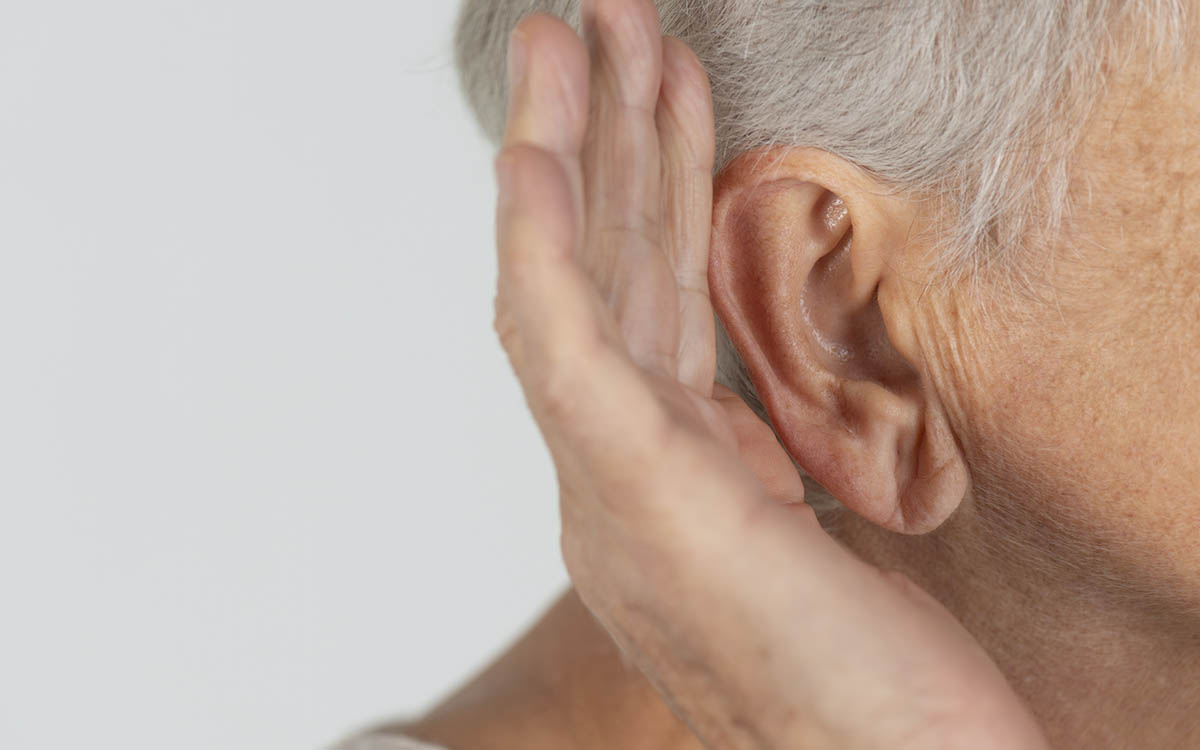
Most people associate hearing loss with advancing age, yet for a vast number of citizens, auditory trauma initiates much earlier in life. Noise-induced hearing loss represents a common, preventable auditory pathology, advancing subtly and remaining undiagnosed until the clinical effects are permanent.
Grasping the longitudinal impact of sound exposure on the auditory system can help you protect yourself before substantial hearing loss manifests.
Pathophysiology of Noise-Related Auditory Trauma
The pathology of noise-induced hearing loss involves trauma to the sensitive anatomical structures within the inner ear. Data from the CDC indicate that, sustained or frequent exposure to sounds exceeding 85 decibels, such as heavy traffic, can initiate auditory damage. Intense noise sources, specifically firearms or industrial tools, can compromise hearing integrity within a very brief timeframe.
Within the cochlea are specialized sensory structures referred to as hair cells. These receptors facilitate the conversion of acoustic vibrations into electrical signals decoded by the brain. Because hair cells cannot repair or replace themselves once damaged, hearing loss resulting from noise is generally a permanent physiological state.
Analyzing the Advancement of Sound-Related Trauma
The insidious nature of noise-induced hearing loss is highlighted by its gradual developmental timeline. Initial signs of auditory overexposure may present as:
- Occasional instances of Tinnitus, characterized by ringing or buzzing sounds
- A feeling of muffled hearing after loud events
- Challenges involving speech comprehension within high-noise settings
These early warning signs may fade, leading people to assume their hearing has “recovered”. In reality, repeated noise exposure continues to injure inner-ear structures, steadily eroding hearing precision.
Statistics from the HLAA suggest that 48 million Americans have some form of hearing loss, often without recognizing the contributing factors.
Recognizing Routine Acoustic Risks to Auditory Longevity
The prevalence of loud sounds in daily life often results in a dangerous desensitization to harmful noise levels. Due to this, the commonality of injurious sound exposure often goes unrecognized.
Typical noise-generating sources consist of:
- Professional music performances and concert environments
- The use of headphones at unsafe volume settings
- Motorized landscaping equipment, power machinery, and vehicles
- Professional exposure to high-volume noise in manufacturing and labor industries
Due to the routine nature of these sounds, auditory injury may accrue in the absence of overt symptoms.
Prioritizing Prevention in Auditory Health
Unlike other health conditions, noise-induced hearing loss cannot be reversed. Nevertheless, it remains a highly avoidable pathology. Simple protective habits can significantly reduce risk, including:
- The application of earplugs or attenuation earmuffs in loud areas
- Reducing personal audio volume and adhering to the 60/60 safety guideline
- Taking listening breaks to give your ears time to recover
- Arranging for routine Audiology assessments if noise exposure is frequent
Criteria for Professional Audiology Consultation
Patients observing ongoing Tinnitus, challenges in conversation, or shifts in auditory acuity should contact an Audiologist. Early assessment is critical for monitoring, education, and the development of protective strategies to help preserve your hearing.
Prioritizing auditory health now ensures the preservation of hearing clarity for the future. While environmental noise is often inevitable, hearing loss is a preventable outcome. We invite you to schedule an appointment with our team to optimize your hearing function.