

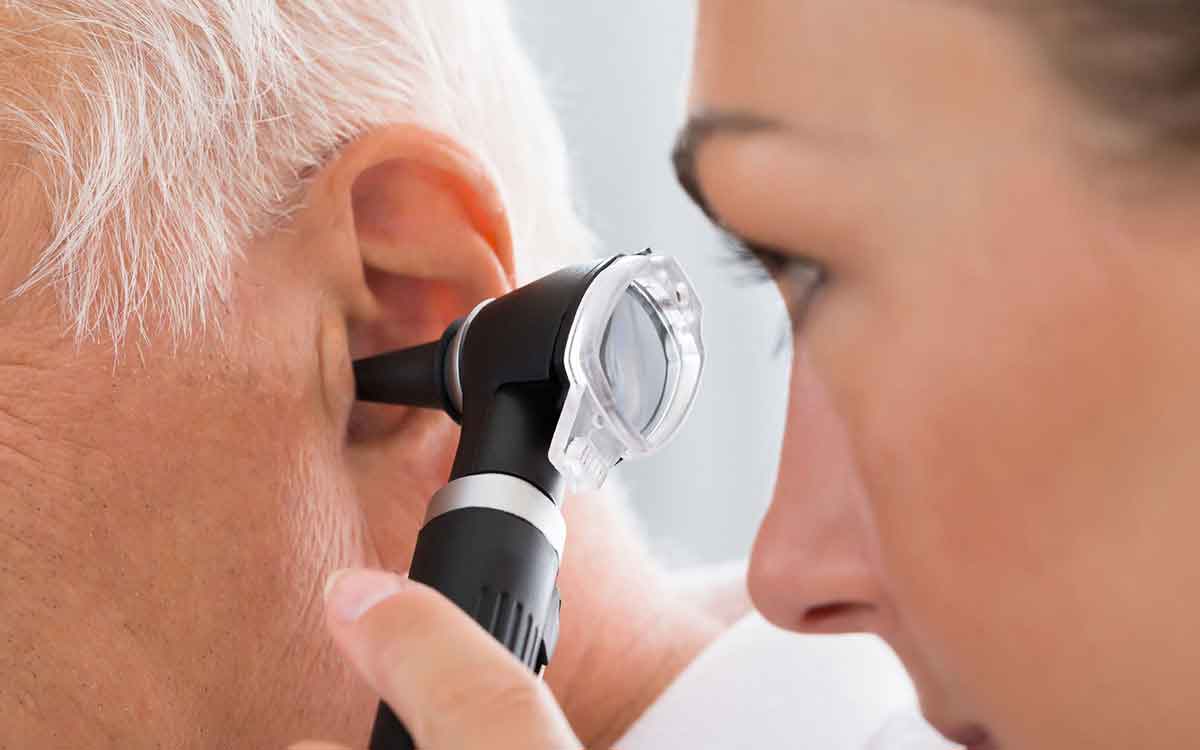
Auditory decline frequently advances as an incremental process, which often results in the condition being missed during its early development. Many people adjust without realizing it by elevating the TV volume, requesting frequent repetitions, or avoiding noisy environments.
Prioritizing an early diagnosis can assist in optimizing daily communication.
Frequent Indicators of Initial Auditory Decline
Should you encounter any of these indicators, we suggest scheduling a professional hearing assessment to determine your status.
- Difficulty comprehending speech, particularly in noisy environments with a lot of activity.
- A regular need of requesting clarification during conversation.
- The perception of indistinct vocal communication where words appear to merge.
- Requiring increased decibel settings for electronic devices than is typical.
- Trouble hearing higher-pitched sounds, including children’s voices, birds, or doorbells.
- Ringing, buzzing, or humming in the ears (tinnitus).
- Feeling cognitively fatigued after conversations, due to increased efforts to hear better.
- Isolating from group interactions as conversational tracking becomes difficult.
These early signs of hearing loss may impact one or both ears and may come and go at first. Because the brain adapts quickly, many people fail to recognize how much they’re compensating until hearing loss becomes more noticeable.
Statistical Overview of Global Auditory Health
According to official WHO data, over 700 million people will require hearing rehabilitation by 2050. Other significant statistics include:
- By 2050, approximately 2.5 billion people are expected to have various levels of hearing loss.
- More than five percent of the global community (roughly 430 million people) requires rehabilitation to manage significant hearing loss.
- In excess of 1 billion young adults face the threat of permanent hearing loss resulting from hazardous acoustic habits.
- Among those aged 60 and older, more than one-quarter have disabling hearing loss.
The Value of Early Hearing Loss Detection
Neglecting hearing changes may lead to systemic health consequences that go unnoticed.
Clinical evidence shows a documented link between untreated hearing loss and mental health risks, such as isolation and depression.
Identifying symptoms early on ensures more effective outcomes and diverse therapeutic choices.
A hearing evaluation can determine whether changes are due to presbycusis-driven hearing loss, noise exposure, earwax buildup, infection, or underlying pathology.
Under certain conditions, hearing changes are transient and treatable.
In permanent cases, the early implementation of ear defense or hearing technology assists in managing the condition.
Indications for a Professional Hearing Evaluation
A professional screening is warranted under the following circumstances:
- Clinical indicators persist for a duration exceeding several weeks.
- Auditory challenges impact work, relationships, or daily activities.
- Instances of sudden decline, dizziness, or chronic tinnitus warrant urgent evaluation.
Tests for hearing are painless and provide essential data about your ear health.
Reach out to our professional team today if you believe you would find value in a hearing screening.
Common Questions About Early-Stage Hearing Loss
Question: Is aging the sole cause of hearing impairment?
A: No. While age-related hearing loss is common, hearing changes can also result from noise exposure, medications, infections, genetics, or underlying medical conditions.
Question: Is it possible to restore lost hearing?
A: In specific instances involving earwax or infection, hearing may be restored. While other forms are irreversible, they can usually be managed with professional treatment or hearing technology.
Q: How often should hearing be checked?
Answer: It is recommended that adults obtain a baseline assessment by age 50, with earlier testing for those with specific risk factors.