

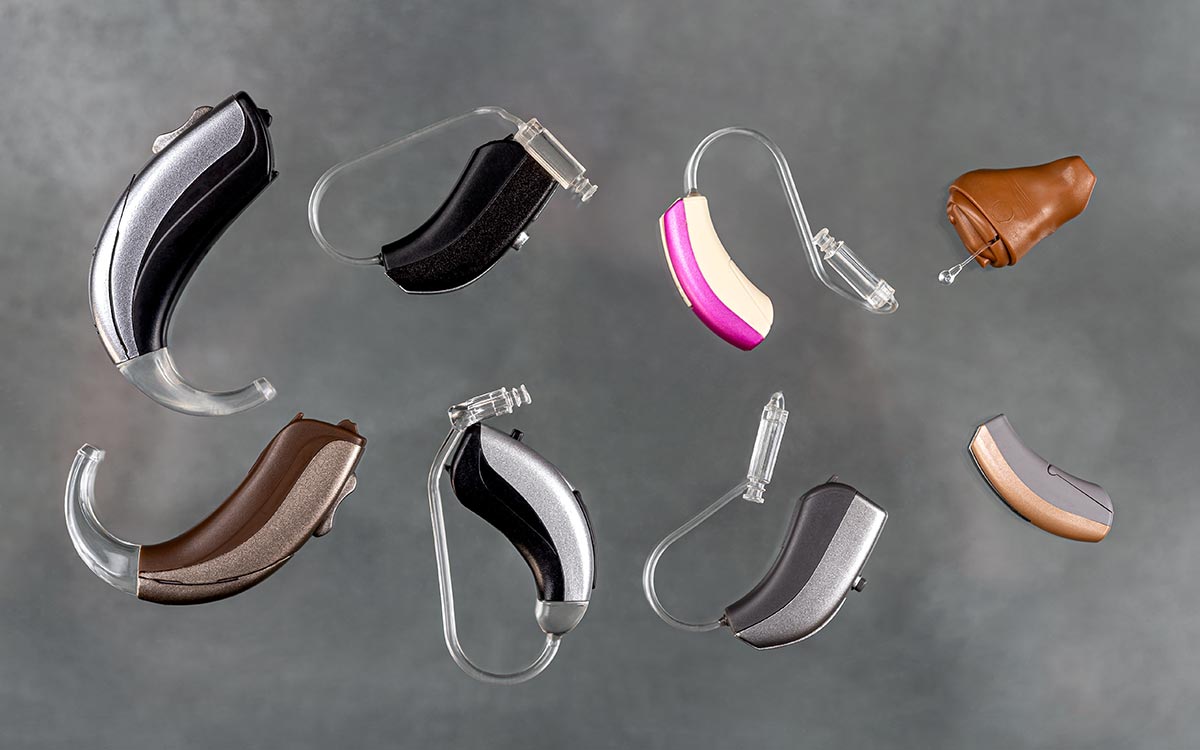
With so many sizes, styles, and technologies available, selecting a hearing aid for hearing loss or tinnitus can feel like an intense process. However, a specialized hearing solution exists for every person’s unique needs and daily habits. It’s all about discovering which model fits perfectly with your specific requirements.
Feeling positive about your choice begins with knowing how different hearing aids function and compare. This guide examines the most popular styles and highlights the specific advantages each one offers.
Understanding ITC Models
Basic Summary:
A custom device is engineered to sit partially within the ear canal while showing just an inconspicuous section in the outer ear area.
Why users select them:
- Offers an improved profile than bulkier behind-the-ear units
- Custom-molded for comfort
- Designed to address low to moderate hearing impairments
Because they offer both discretion and helpful features, ITC models are an excellent pick for those new to hearing technology.
Invisible-in-Canal (IIC) Hearing Aids
The Concept:
These are the tiniest custom-made devices on the market today. These devices sit so deeply back in the ear that they are nearly impossible to see.
Why individuals choose them:
- Offers the most understated design of any hearing aid style
- Pure sound quality due to microphone placement
- Lightweight and comfortable
IIC devices are mainly aimed at those with moderate hearing needs who want their technology to remain completely unnoticed.
Full and Partial ITE Options
Product Information:
A custom hearing aid fits snugly within the outer ear, available in both full-shell and half-shell configurations. They are custom-made to fit the shape of your ear.
Why users favor ITE:
- The larger size makes it feasible to include more internal components and longer-lasting batteries
- Great for seniors who find smaller devices hard to manipulate
- Effective for mild to severe hearing loss
Many people pick ITE devices because they provide an integrated, self-contained design that doesn’t hook over the ear.
Behind-the-Ear (BTE) Hearing Aids
Technical Data:
BTE hearing aids rest comfortably behind the ear. Audio travels into the ear canal through an internal tube or custom earmold.
Common Reasons:
- Offers an enduring and flexible solution for various environments
- Provides a wide range of amplification suitable for nearly any user
- Big enough to house sophisticated software and modern rechargeable technology
The combination of user-friendliness and powerful sound makes BTE aids an excellent contender for many patients.
The RIC Style Analysis
Mechanical Arrangement:
RIC hearing aids look comparable to BTE models, but the speaker (receiver) sits inside the ear canal rather than inside the device behind the ear.
Why people select them:
- Highly natural sound quality
- Offers an incredibly low-profile appearance that is easy for almost everyone
- Flexible enough to treat a broad number of hearing impairments
Thanks to their comfort and visual appeal, RIC devices have become a gold standard.
Extended-Wear Hearing Aids
What they represent:
Extended-wear models are semi-permanent devices that an expert fits into the ear for an interval of several weeks.
Lifestyle Advantages:
- Eliminates the need to place in or take out the device every day
- They are virtually impossible for people to notice because of their depth
- Engineering enables them to stay in the ear during all facets of daily life
For a “hands-off” method of hearing assistance, extended-wear technology is the top recommendation.
Smart Hearing Aids with Bluetooth
Tech Specs:
Auditory aids with wireless connectivity that pair with smartphones, tablets, computers, and sometimes TVs.
Digital Benefits:
- Send calls, music, and audio directly to the hearing aids
- Gives you the ability to adjust your volume and programs via an electronic app
- Enhanced ease for modern lifestyles
You can locate Bluetooth capabilities built into a variety of form factors, from RIC and BTE to custom ITC designs.
Surgically Implanted Middle-Ear Solutions
Design Overview:
An operatively implanted device that directly vibrates the middle ear bones to amplify sound.
Who they are for:
- Provides a solution for patients with anatomy that prevents the use of conventional aids
- Ideal for users who experience persistent irritation from standard molds
These devices need an exhaustive medical review by a hearing, nose, and throat expert.
Selecting Your Ideal Hearing Solution
Since each hearing aid design has unique strengths, the best choice is based on your specific hearing needs, your daily activities, and your aesthetic goals. By visiting a specialist, you can explore various models and see which one feels most natural to you.
If you’re prepared to explore the possibilities, schedule an auditory evaluation today. It’s a great first move toward better hearing and more confident communication every day.
Sources:
https://www.mayoclinic.org/diseases-conditions/hearing-loss/in-depth/hearing-aids/art-
20044116
https://www.hearinglife.com/hearing-aids/types
https://www.nidcd.nih.gov/health/hearing-aids