

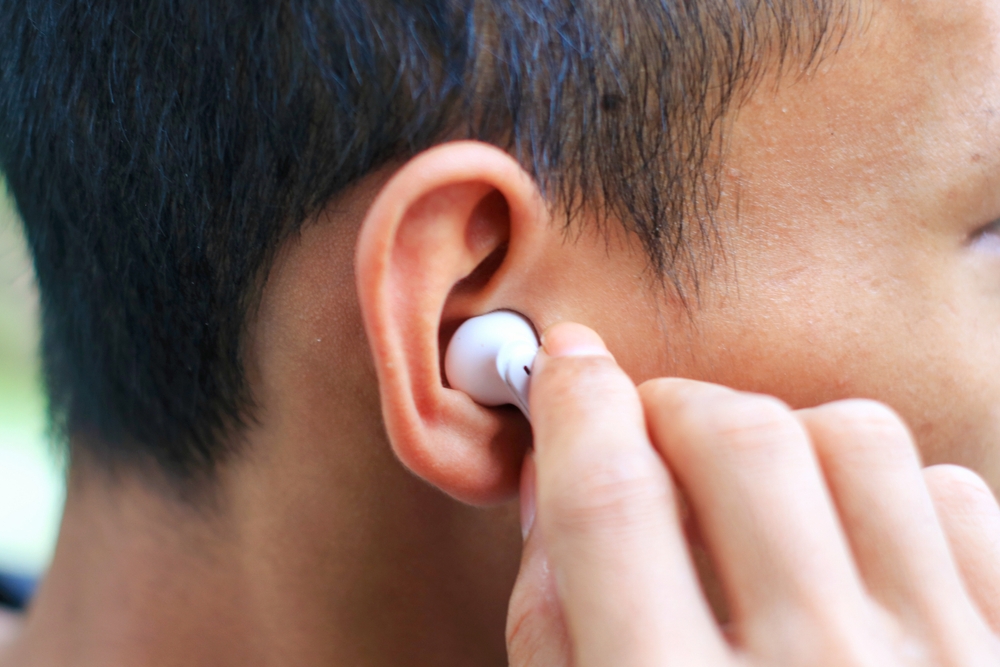
We seldom encounter a teenager or young adult who isn’t currently using a personal audio device. Headphones are a bit more cumbersome, but teens still find them a way to escape from their surroundings. We all enjoy listening to music, no matter our age, but younger people rely on music to pass the time. Given their intimate position near the eardrum, are these devices a legitimate threat to our hearing? Clinically speaking, the hardware is not the culprit; rather, the risk lies in human behavior and exposure levels.
When Healthy Listening Becomes Hazardous
The right music can induce a state of relaxation, provide spiritual comfort, or drastically boost energy levels. Depends on the music. Using a headphone or an earbud is a polite way to listen without disturbing others. Most individuals view this as a positive etiquette, especially within the confined spaces of a bus or train.
From an audiological perspective, we must define the specific thresholds for safe volume and exposure duration. The biological fact is that high-intensity sound waves are inherently damaging to the auditory system. Combining high-intensity sound with extended exposure times can lead to permanent sensorineural damage. Because auditory decline is often a slow, cumulative process, the damage is frequently advanced before symptoms are noticed.
Identifying the Critical Risks of Personal Audio
High volume stands as the most significant threat to the preservation of hearing sensitivity. Nevertheless, the timeframe of the sound exposure is just as critical a factor as the intensity itself.
- The National Institutes of Health (NIH) recommends listening at below 70 decibels. Even after long exposure, you won’t have any hearing loss.
- There is a direct correlation between increased sound pressure and the speed of hearing degradation.
- Implement the 60/60 safety protocol by capping volume at 60% and taking a break every 60 minutes.
- Ensuring long-term hearing health requires a proactive reduction in volume and strict limits on listening time.
Warning Signs of Hearing Loss
Experiencing aural fullness, persistent **tinnitus**, or difficulty deciphering dialogue in crowds suggests it is time for a clinical hearing test.
Schedule an appointment with our specialists if you believe your auditory health has been compromised.